The Startup Dream Isn't Glamorous (But It Can Still Be Worth It)
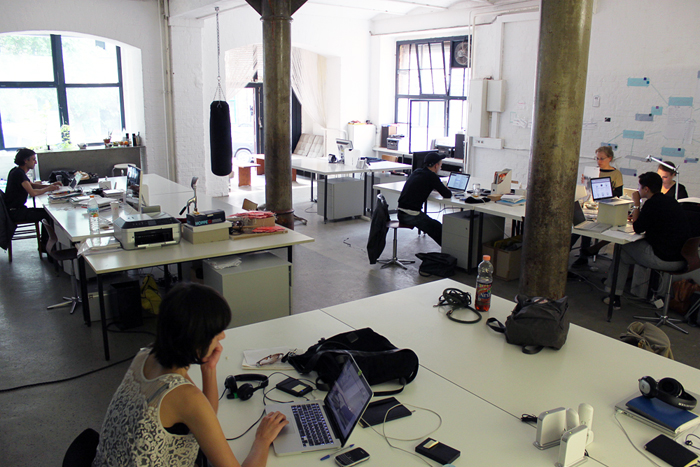
If you’ve ever thought about building something of your own, you already know how seductive the startup story can be. We’re fed this shiny narrative: quit your job, chase your passion, launch in a weekend, and suddenly your life transforms into coffee-fueled brilliance and freedom. It sounds romantic. It sounds brave. It sounds like the purest form of betting on yourself.
And honestly? Part of that story is true.
But the part people don’t talk about enough is how ordinary, uncomfortable, and emotionally messy the journey actually feels day to day.
Most startup life isn’t dramatic. It’s not one giant moment. It’s a thousand tiny decisions made while you’re tired, unsure, and low-key scared.
You wake up and wonder if this is still a good idea. You open your laptop and see messages to answer, bugs to fix, invoices to chase, content to post, customers to support, and that one task you’ve been avoiding because you secretly don’t know how to do it. You keep going anyway. Not because you feel confident every morning, but because you’ve come too far to pretend this doesn’t matter to you.
That’s the part I wish more people understood: startups are less about being fearless and more about learning to function while afraid.
There will be days when your numbers look bad and your brain gets loud. Days where one rejection email somehow feels like proof that everything is collapsing. Days where you compare your chapter one to someone else’s chapter twenty and decide you’re behind, unqualified, or just not built for this.
When that happens, pause. Take one breath. Then remember this: progress in real life is rarely linear, and almost never aesthetic.
You’re not failing because things feel hard. Things feel hard because you’re doing something that asks you to grow beyond your current comfort zone.
One of the most underrated skills in this journey is emotional regulation. Not branding, not fundraising, not even growth hacks — your ability to stay grounded when things wobble. Because they will wobble. Constantly.
Sometimes the most strategic thing you can do is shut the laptop at the right time, go for a walk, drink water, call a friend, and reset your nervous system before making decisions. Exhaustion has a way of turning every problem into a catastrophe. Rest gives your perspective back.
Also, let’s talk about identity for a second. When you’re building something personal, your work can start to feel like your worth. If the launch flops, you feel like you flopped. If users churn, it feels like rejection of your value as a person. That fusion is dangerous.
Your startup is something you do. It is not all that you are.
You can care deeply without dissolving into it.
Protecting that boundary will save you on the hard days.
Another quiet truth: nobody builds anything meaningful alone. Even solo founders need people. You need one person who can talk you off the ledge when your brain spirals. One person who tells you the truth when you’re overcomplicating things. One person who reminds you that you’re still a human being, not a machine built for output.
If you don’t have that person yet, build that circle intentionally. Community isn’t optional in this game; it’s infrastructure.
Now here’s the encouraging part: despite all the chaos, startup life can give you a kind of growth that almost nothing else can.
You become resourceful in ways that surprise you. You get better at making decisions with incomplete information. You learn how to communicate clearly, sell without feeling fake, recover faster from mistakes, and keep promises to yourself. You become less attached to looking smart and more committed to being useful.
And somewhere in the middle of all that uncertainty, you’ll experience tiny wins that feel disproportionately meaningful: your first stranger paying for what you made, your first heartfelt message from a user, your first month where revenue finally beats your costs, your first moment of realizing, “Wait… this thing might actually work.”
Those moments are small from the outside, but from the inside they hit like fireworks.
So if you’re in that awkward middle right now — not at the beginning anymore, not at the “we made it” stage either — I want you to know this phase counts. The invisible work counts. The emotional labor counts. The boring consistency counts.
You are not behind because your journey doesn’t look cinematic.
You are building muscles that don’t always show up on social media: patience, resilience, humility, and courage under uncertainty. Those traits compound. They’ll serve you long after this specific startup chapter ends, no matter the outcome.
And yes, outcomes matter. Strategy matters. Execution matters. But mindset is what keeps you in the game long enough for those things to pay off.
So be ambitious, absolutely. Chase the vision. Set hard targets. Learn fast. Iterate faster.
But also be kind to yourself while you do it.
You’re allowed to be a work in progress while building a work in progress.
That’s not hypocrisy. That’s real life.
And if no one told you this recently: I’m proud of you for trying. Most people only talk about wanting a different life. You’re doing the uncomfortable part — actually building one.
Keep going. Not recklessly. Not to prove anything. Just steadily, honestly, one good decision at a time.
That’s how real journeys are made.
Photo credit: Deskmag. Source: Wikimedia Commons.